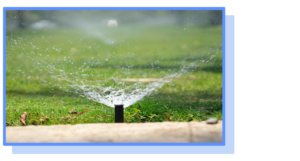
The Internet of Things (IoT) is a transformative force that revolutionizes how organizations monitor, manage, and optimize their operations. Through intelligent sensor networks that provide real-time insights and automated responses, IoT technology is advancing at a rapid pace. These increasingly sophisticated sensors offer unprecedented visibility into water usage, environmental conditions, and system performance across residential, commercial, and industrial applications, inspiring new ways of operation and management.
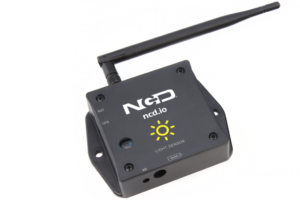
At Bluebot, we are dedicated to providing the best IoT-enabled water monitoring solutions. Our expertise in ultrasonic flow measurement and wireless connectivity, combined with our commitment to preventing costly water damage, optimizing resource consumption, and enhancing operational efficiency, transforms traditional water management into intelligent, data-driven operations. This dedication ensures that our solutions not only save money and prevent emergencies but also support sustainability goals, giving you confidence in the quality of our products.
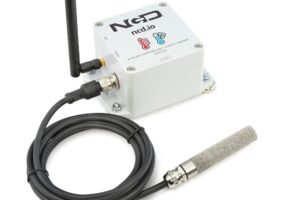
IoT sensors are intelligent devices that collect real-time data from physical environments and transmit this information wirelessly to cloud-based platforms for immediate analysis, monitoring, and automated response. These connected devices serve as the foundation for intelligent monitoring systems, providing remote visibility and control over critical infrastructure and resources, and giving you a sense of security and control over your operations.
Core IoT Sensor Capabilities:
- Real-time data collection and transmission
- Wireless connectivity through WiFi, LoRaWAN, and cellular networks
- Cloud integration for centralized monitoring and analytics
- Mobile app accessibility for instant alerts and insights
- Energy-efficient operation for long-term deployment
- Scalable architecture supporting single devices to enterprise networks
Modern IoT sensors employ various measurement technologies, including ultrasonic, electromagnetic, optical, and mechanical methods, to gather precise data on flow rates, pressure levels, temperature variations, and environmental conditions. This data enables predictive maintenance strategies, automated alerts, and comprehensive performance optimization across diverse applications.
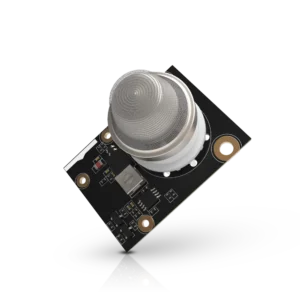
Commercial Property Management Property managers utilize IoT sensors for comprehensive building monitoring, including water leak detection, HVAC optimization, and security enhancement. Smart water leak sensors provide instant alerts, preventing costly water damage, while usage monitoring reduces utility expenses and supports sustainability initiatives.
Industrial Facility Operations Manufacturing facilities deploy sensor networks for predictive maintenance, quality control, and safety monitoring. Vibration sensors detect equipment anomalies before failures occur, while environmental sensors maintain optimal conditions for production processes and worker safety.
Smart Home Integration Residential IoT sensors enable intelligent automation, energy optimization, and property protection. Remote vacation home monitoring systems use water flow sensors to detect leaks immediately, preventing extensive damage when properties are unoccupied.
Specialized Applications: Industry-specific sensor applications are numerous and diverse. They include car wash technology systems that optimize water usage and chemical distribution, healthcare facilities that monitor air quality and equipment performance, and agricultural operations that track soil conditions and irrigation efficiency. These examples illustrate the versatility of IoT sensors and their potential impact on various industries.
Ultrasonic Flow Measurement Technology: Bluebot’s ultrasonic technology provides non-invasive flow monitoring with exceptional accuracy and reliability. This technology, which utilizes sound waves to measure flow, eliminates moving parts, reduces maintenance requirements, and facilitates easy installation without requiring pipe modifications. Its non-invasive nature means it doesn’t interfere with the flow, ensuring accurate readings and reducing the risk of leaks.
Comprehensive Leak Detection: Our IoT sensors instantly detect leaks through flow pattern analysis, preventing minor issues from escalating into costly disasters. Water leak detector systems provide multi-layer protection through whole-home monitoring and targeted point sensors.
Real-Time Usage Analytics Detailed consumption analytics reveal usage patterns, identify inefficiencies, and support conservation efforts. Historical data enables informed decision-making about equipment upgrades, maintenance scheduling, and resource allocation.
Professional Integration Support: At Bluebot, we recognize that implementing IoT monitoring systems can be a complex process. That’s why we offer professional leak detection services that complement our IoT monitoring systems. Our team of experts will work closely with you to ensure the seamless integration and operation of our systems, providing comprehensive water management solutions tailored to commercial and industrial applications.
IoT sensors enable data-driven sustainability initiatives through precise resource monitoring, waste reduction, and efficiency optimization. Water monitoring sensors prevent waste through early leak detection while usage analytics support conservation programs and regulatory compliance.
Energy-efficient sensor designs minimize environmental impact while providing years of reliable operation. Cloud-based analytics identify optimization opportunities that reduce resource consumption and operational costs simultaneously.
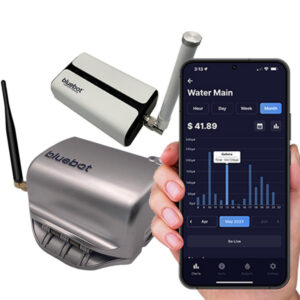
IoT sensors form the foundation of modern innovative monitoring systems, providing real-time visibility and automated responses necessary for efficient and sustainable operations. Whether protecting property from water damage, optimizing energy consumption, or implementing predictive maintenance strategies, the right sensor network enables proactive optimization by transforming reactive management.
Discover how Bluebot’s IoT solutions combine cutting-edge sensor technology with user-friendly interfaces to deliver measurable results across residential, commercial, and industrial applications. Our expertise in water monitoring provides the foundation for comprehensive facility management and property protection strategies.
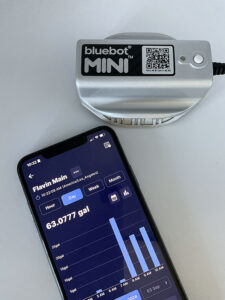
Ready to harness the power of IoT sensors for your water monitoring needs?
Explore our complete range of innovative water monitoring solutions and discover how intelligent sensors can protect your property, reduce costs, and optimize resource management with real-time insights and automated alerts.