What Does Renters Insurance Usually Cover for Water Damage?
The general rule is that renters insurance covers water damage that is sudden and accidental. If a pipe bursts unexpectedly, an appliance hose fails without warning, a washing machine overflows, or a fixture suddenly leaks due to a covered event, a standard renters insurance policy typically applies to the personal belongings damaged as a result. This matters because renters insurance is primarily designed to protect what you own, furniture, electronics, clothing, and other personal property, rather than the structure itself. If a burst pipe floods your apartment and destroys your laptop, that is exactly the kind of loss a renters policy is built for. Liability coverage within your renters insurance policy may also apply if water originating from your unit spreads and damages a neighboring unit, protecting you from a claim filed by your neighbor or their insurer.
- Burst pipes—If a pipe suddenly bursts and soaks your furniture, your renter’s insurance coverage may cover the replacement costs.
- Accidental leaks from appliances – Water damage from a malfunctioning washing machine or dishwasher is often covered. Learn more about washing machine water usage.
- Ceiling leaks from upstairs units – If a neighbor’s plumbing issue causes a ceiling leak and damages your belongings, your insurance policy may reimburse you.
- Water damage from rain or ice –You may receive compensation if rainwater enters due to storm damage (but not flooding.
- Additional living expenses (ALE) – If water damage makes your rental unit unlivable, your renter’s insurance can cover temporary housing costs.
Types of Water Damage Usually Not Covered by Renters Insurance
Not all water damage qualifies for coverage. The most common exclusions fall into a few predictable categories that every renter should understand before a problem occurs. Explore the differences between renters insurance and flood insurance.
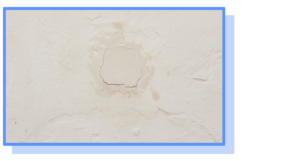
- Gradual leaks and slow seepage are typically excluded. If water has been dripping from a supply line for weeks, the resulting damage is treated as a maintenance issue rather than a sudden, covered loss. Ongoing seepage and repeated moisture intrusion are handled the same way.
- Neglect is another common basis for claim denial. If you noticed a problem, a dripping fixture, a ceiling stain spreading, moisture under the sink, and did not report it or act on it, an insurer may argue that reasonable care was not taken to prevent or limit the damage.
- Outside flooding is entirely separate. Floodwater entering from outside, from heavy rain, storm surge, or rising groundwater, is not covered under a standard renters insurance policy. Flood coverage requires a separate flood insurance policy, typically through the National Flood Insurance Program or a private insurer.
- Sewer and drain backup is also commonly excluded unless you have added a water backup endorsement to your policy. The distinction matters because what looks like “water damage” from where you are standing may have come from a source that falls outside your base coverage.
Does Renters Insurance Cover Water Damage to Your Belongings, the Building, or Other Units?
Renters insurance is structured to protect three things: your personal belongings, your personal liability, and additional living expenses if a covered loss makes your unit temporarily uninhabitable. The building itself, the walls, floors, plumbing, and structure, is the landlord’s responsibility under their property insurance policy, not yours.
In practice, if a pipe inside the wall fails and damages both the flooring and your personal property, your renters insurance handles your belongings while the landlord’s property insurance covers structural repairs. If water damage from your unit spreads into the apartment below and damages your neighbor’s property, your liability coverage may apply depending on your policy limits and the circumstances.
When damage involves shared systems or comes from another unit, an overflowing bathtub upstairs, for example, determining responsibility often requires communication between renters, landlords, and multiple insurers. Document everything, report promptly, and let the claims process determine fault rather than assuming who is responsible.
What Does the Cause of the Water Damage Mean for Coverage?
The source of the water matters more than the fact of the damage itself. Insurers evaluate how and where the water entered, whether the damage was sudden or gradual, and whether the renter acted reasonably once the problem was apparent.
A burst supply pipe is a sudden, covered event. Rainwater entering through an open window is likely not. A dishwasher hose that fails abruptly may be covered; the same hose that had been visibly cracking for months and was never replaced is more likely to be treated as neglect or gradual damage.
A useful framework: ask whether the event was sudden, accidental, internal to the unit, and caused by a covered peril. If yes on all four, coverage is more likely. If the damage developed gradually, came from outside flooding, or was connected to a known problem left unaddressed, the outcome is less certain. Renters who catch leaks early and respond quickly are in a stronger position if a claim is ever filed.
What Renters Should Do After Water Damage
Acting quickly after water damage improves both your safety and your coverage outcome. The steps below apply regardless of how severe the damage appears at first.
Step 1: Notify your landlord immediately.
Report the leak as soon as you identify it, especially if it involves shared plumbing, building systems, or may affect neighboring units. Prompt reporting establishes a clear timeline and demonstrates that you took reasonable action.
Step 2: Document everything before touching it.
Photograph and video the water source, affected areas, and every damaged item. Include close-up shots of the damage and wide shots showing context. This documentation is essential for filing a successful claim.
Step 3: Review your renters insurance policy.
Check what your policy covers, what your deductible is, and whether any endorsements are relevant. If you have a water backup rider or personal property replacement cost coverage, those terms will shape your outcome.
Step 4: File your claim promptly.
Contact your insurer and submit the required documentation without delay. Provide your photos, a written description of the event, and any estimates or receipts you have gathered. Delays in reporting can complicate the claims process.
Step 5: Mitigate further damage.
Take reasonable steps to stop damage from spreading, moving belongings out of standing water, containing moisture with towels, or shutting off the water supply if you can do so safely. Insurers expect policyholders to act to prevent additional loss.
Step 6: Keep all records.
Save receipts for cleanup costs, replacement items, and any temporary housing expenses. Retain written communications with your landlord and insurer. Thorough documentation protects you throughout the entire process.
Do Renters Need Extra Coverage for Flooding or Sewer Backup?
Standard renters insurance has real coverage gaps, and two are worth evaluating carefully based on where you live and how your building is built.
Flood insurance is entirely separate from a standard renters policy. If you live in a flood-prone area, near a coast, river, or in a region with heavy seasonal rain, your base renters policy leaves you exposed. The NFIP offers flood insurance specifically for renters, and private flood coverage is also available. If your building or neighborhood carries any flood risk, this gap deserves serious attention.
Water backup endorsements are low-cost add-ons that cover sewer and drain backups excluded by standard policies. If you live in an older building with aging plumbing, or in an area prone to sewer overloads during storms, a water backup rider adds meaningful protection. Talk to your insurance agent about your building’s age, plumbing history, and flood zone designation to decide whether the additional coverage makes sense for your situation.
Do Renters Need Extra Coverage for Flooding or Sewer Backup?
The most effective way to protect yourself is to prevent damage from happening in the first place, or catch it early enough that the impact is minimal.
Check visible plumbing connections periodically. Look under sinks, behind the toilet, and at the supply lines running to your dishwasher and washing machine. Water stains, mineral buildup, soft cabinet floors, or any sign of standing moisture are early indicators worth reporting to your landlord immediately. Small problems caught early rarely become major insurance claims.
Knowing how much water your appliances typically use also helps you spot anomalies. Washing machines are among the most common sources of renter water damage, a supply hose failure can release hundreds of gallons within minutes. If your water uses spikes without explanation, that is a signal worth investigating.
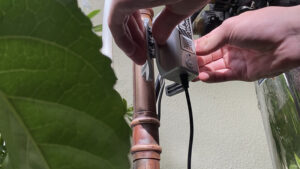
Real-time water monitoring takes prevention further. Bluebot smart water meters track every gallon flowing through your water line 24 hours a day, using ultrasonic technology that installs in minutes with no pipe cutting or plumber required. The moment the system detects unusual or continuous water flow, it sends an immediate text alert to your phone, catching leaks within hours rather than weeks. Learn how Bluebot’s monitoring works.
For renters who want an affordable, compact option, Bluebot Mini provides the same real-time leak detection in a smaller form factor designed for individual units. Because proactive monitoring demonstrates responsible ownership, some insurance providers offer premium discounts for homes equipped with continuous water monitoring systems. See available rebates and insurance discounts.
Understanding Water Damage Coverage Starts Before the Leak
Renters insurance covers sudden, accidental water damage from internal sources, but excludes gradual leaks, outside flooding, sewer backup, and negligence unless you have added specific endorsements. The building is your landlord’s responsibility; your belongings and your liability are yours. When damage happens, prompt action and thorough documentation make the biggest difference in how a claim resolves.
The cleaner path is to know your policy before you need it, add coverage where your standard renters policy falls short, and put yourself in a position to catch problems early. Bluebot’s leak detection technology monitors your water line around the clock and alerts you the moment something looks wrong, so you can act before a drip becomes a claim.