A hidden sprinkler system leak wastes an average of 6,300 gallons monthly while adding $50-$200 to water bills. Yet, most homeowners remain unaware of the problem for weeks or months as underground pipes silently lose water between scheduled irrigation cycles. Unlike indoor plumbing leaks that announce their presence through drips or puddles, irrigation leaks often develop gradually in buried lines where damage from roots, soil settling, or freeze-thaw cycles goes unnoticed until brown patches, soggy areas, or shocking utility bills force investigation. This practical guide provides proven DIY methods for locating sprinkler leaks, explains how to systematically inspect your irrigation system, and demonstrates how modern smart monitoring eliminates the guesswork by detecting abnormal flow patterns the moment leaks develop.

Common Signs You Have a Sprinkler Leak
Physical and Visual Warning Indicators
Several observable symptoms suggest developing irrigation leaks requiring investigation. Unexplained wet spots or areas with standing water that persist for hours after irrigation completes indicate water accumulating from underground leaks or failed sprinkler heads. These soggy zones often feel spongy underfoot and may support moss growth or unusually lush grass compared to surrounding areas.
Conversely, dry patches or brown spots in normally irrigated areas signal that water isn’t reaching intended locations—possibly due to broken sprinkler heads, kinked lines, or leaks that divert water before it reaches the surface. If some zones produce healthy lawns while others struggle despite identical watering schedules, investigate the underperforming areas for leaks or blockages.
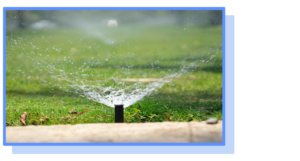
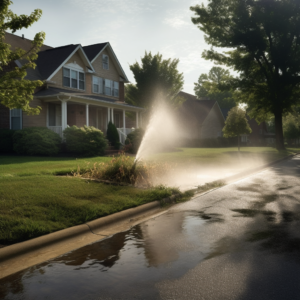
Bubbling soil or small geysers during irrigation cycles indicate pressurized water escaping from underground pipes or fittings. Even small bubbles deserve attention, as they reveal compromised pipes that will likely worsen rapidly. Foundation areas showing unexpected moisture, basement seepage near exterior walls, or eroded soil around your home may result from irrigation leaks directing water against the building.
Performance and Billing-Related Warning Signs
System performance changes often reveal developing leaks before visual symptoms appear. Low water pressure across your irrigation system—evidenced by sprinkler heads barely rising, weak spray patterns, or misting rather than steady streams—frequently results from leaks that bleed pressure before water reaches the sprinkler heads. If pressure was previously adequate but has declined without changes to your system or municipal supply, investigate for leaks.
Sputtering or irregular spray patterns from sprinkler heads that previously functioned normally suggest air entering the system through leaks or supply line problems. Delayed zone startup (where irrigation takes several seconds to begin after the valve opens) can indicate significant leaks requiring the system to pressurize before reaching operating levels.
Your water bill provides critical diagnostic information. Unexpected increases during irrigation season—particularly when consumption rises without corresponding changes in watering schedules or weather patterns—strongly suggest hidden leaks. Even a modest leak of 1 gallon per minute wastes 43,200 gallons per month, potentially adding $40-$150 to your bill, depending on local water rates.
Continuous water meter movement when all fixtures are off and irrigation isn’t running confirms leaks somewhere in your plumbing system. Check your water meter by recording the reading, ensuring all water use stops for 30-60 minutes, then checking again—any meter movement during this test period indicates active leaks requiring investigation.

Step 1 – Inspect Visible Components and Common Failure Zones
Examining Above-Ground System Elements
Begin leak detection by systematically inspecting all visible sprinkler system components during an active watering cycle. Manually activate each irrigation zone through your controller, then walk the coverage area observing sprinkler head operation, spray patterns, and ground conditions around each head.
Cracked or damaged sprinkler heads represent the most common and easily diagnosed leak source. Look for heads with visible cracks in the body or riser, misaligned nozzles producing off-target spray, or heads that fail to retract after irrigation completes. Lawn equipment strikes, freezing temperatures, and simple aging are the primary causes of sprinkler head failures, making visual inspection during operation the fastest detection method.
Inspect valve boxes containing zone control valves, backflow preventers, and main shutoff valves. Open each valve box and look inside for standing water (indicating leaks from valves or nearby piping), corroded components suggesting chronic moisture exposure, or loose fittings that may leak when pressurized. Many valve box leaks go unnoticed because the water they leak drains into the surrounding soil rather than surfacing.
Check all visible pipe segments, particularly in areas where pipes transition from underground to above-ground locations, such as near valves, backflow preventers, or around structures. Temperature cycling, physical impacts, and UV exposure degrade above-ground pipes faster than buried sections, making these transition zones high-risk areas for leaks.
Identifying Surface-Level Leak Symptoms
During active irrigation, watch for telltale signs of underground leaks surfacing. Soggy soil or muddy areas forming while irrigation runs indicate nearby leaks, while water flowing downhill from elevated areas suggests substantial leaks overwhelming the soil’s absorption capacity. Even small amounts of surface water during irrigation warrant investigation, as visible water typically represents only a fraction of the total leak volume.
Listen carefully during irrigation operation for hissing sounds indicating pressurized leaks, bubbling noises suggesting air entering the system through compromised pipes, or the sound of running water where no sprinkler heads are located. Underground leaks sometimes produce audible sounds conducted through soil, making quiet listening sessions worthwhile when other detection methods prove inconclusive.
Examine your property for unusual plant growth patterns. Vegetation unusually lush or growing faster than surrounding areas may indicate constant moisture from leaks, while mold, moss, or algae in unexpected locations often develop around persistent moisture sources. Conversely, wilted or stressed plants in normally irrigated areas suggest water isn’t reaching intended locations due to leaks or system failures diverting flow elsewhere.

Step 2 – Test for Hidden or Underground Leak Indicators
Diagnosing Pressure and Flow Irregularities
Water pressure inconsistencies across your irrigation system often indicate leaks affecting system performance. Use a pressure gauge (available at hardware stores for $10-$25) to measure system pressure at different locations, comparing readings between zones. Significant pressure drops between the main line and specific zones suggest leaks in that zone’s supply piping.
Perform zone-by-zone isolation testing by running each zone individually for 10-15 minutes while observing performance. Note any zones that take longer to pressurize, produce weaker spray patterns than others, or cause the system to behave abnormally. These zones likely contain leaks or blockages requiring investigation.
After shutting off irrigation, listen at valve boxes and near underground pipe routes for continued water flow sounds. Leaks in pressurized supply lines (upstream of zone control valves) may continue running even when irrigation is inactive, producing sounds that can help pinpoint leak locations. This technique works best during quiet periods when ambient noise doesn’t mask subtle water flow sounds.
Water Consumption Monitoring and Meter-Based Validation
Your water meter provides objective evidence of leaks when other methods remain inconclusive. Perform a comprehensive leak test by shutting off all indoor and outdoor water use for a measured period—typically 2-4 hours—while noting meter readings at the beginning and end. Any meter movement during this period confirms leaks, though this test can’t distinguish between indoor plumbing leaks and irrigation system problems.
For irrigation-specific testing, isolate your sprinkler system by closing the shutoff valve serving only irrigation lines (if your system has a dedicated irrigation supply). Then check if your water meter continues moving with irrigation shut off, but indoor plumbing is still operating normally. Continued meter movement indicates indoor plumbing leaks rather than irrigation problems, while a stationary meter with irrigation off but movement when irrigation valves open confirms sprinkler system leaks.
Traditional meter-based testing requires manual monitoring and provides only periodic snapshots of water usage, making small leaks or intermittent problems difficult to detect reliably. Smart water monitoring systems overcome these limitations through continuous flow tracking that instantly detects abnormal patterns indicative of leaks.
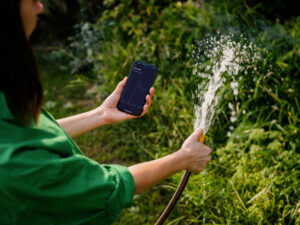
The Bluebot WiFi Smart Water Meter installs on your main water line or dedicated irrigation supply without cutting pipes, monitoring flow 24/7, and sending immediate alerts when usage patterns deviate from established baselines. This automated approach catches developing leaks within minutes rather than discovering problems weeks later through rising water bills, allowing repairs before minor leaks become major water waste or property damage.
For dedicated irrigation monitoring, the Bluebot Mini provides the same continuous protection in an ultra-compact package ideal for smaller irrigation supply lines. This waterproof (IP68 rated) meter can be powered by your irrigation controller (24 VAC) or standard 120V outlet, eliminating battery concerns while providing instant leak detection the moment abnormal flow begins.

Step 3 – Confirm Leak Location and Choose Correct Repair Method
Narrowing Down the Leak Area
Once symptoms suggest leaks within a specific zone or area, use targeted testing to pinpoint exact locations before excavation. Mark areas showing surface symptoms (soggy spots, unusually green grass, erosion) with flags or spray paint, then shut off irrigation for 24-48 hours. Areas that dry out completely likely don’t have active leaks, while persistently wet spots indicate ongoing problems requiring repair.
Soil probing with a long screwdriver or metal probe helps identify saturated soil without extensive digging. Probe the ground in suspected leak areas—wet soil offers less resistance and feels noticeably different from properly drained soil. This simple technique often reveals the general leak location, allowing focused excavation rather than exploratory digging across large areas.
Isolation testing using zone control valves helps identify which zone contains leaks when multiple zones show symptoms or when leaks aren’t producing surface evidence. Run each zone individually for 15-30 minutes while monitoring your water meter or smart monitoring system. Zones with leaks will show higher consumption than zones operating normally, even when all sprinkler heads appear to function correctly.
For difficult-to-locate underground leaks, consider calling professional irrigation specialists with acoustic leak detection equipment. These specialized tools use sensitive microphones to detect sounds from pressurized water escaping underground, pinpointing leak locations without extensive excavation. Professional detection typically costs $150-$400 but saves substantially more in prevented unnecessary digging and property restoration.
DIY Repair vs. Professional Service Decisions
Simple repairs like replacing cracked sprinkler heads, tightening loose fittings, or sealing minor leaks at visible pipe joints fall within most homeowners’ capabilities and cost just $5-$50 in parts. Sprinkler heads typically unscrew from underground risers for easy replacement, while damaged above-ground pipes can often be cut out and replaced using slip-fit repair couplings available at hardware stores.
However, underground pipe repairs, valve replacements, and problems near structures or utilities typically require professional expertise. Excavating around buried pipes risks damaging electrical lines serving irrigation controllers, gas lines, or other underground utilities, making professional service both safer and more appropriate. Licensed irrigation contractors carry liability insurance protecting your property during repairs and possess specialized tools for working with various pipe materials and burial depths.
Call professionals when leaks persist after surface-level repairs, when you’ve identified symptoms but can’t locate the actual leak source, when repairs require excavation deeper than 12-18 inches, or when leaks occur near your home’s foundation, property lines, or known utility locations. Professional irrigation repairs typically cost $150-$800, depending on complexity, accessibility, and materials required—a worthwhile investment compared to the ongoing water waste and potential property damage unrepaired leaks cause.

Step 4 – Prevent Future Leaks with Regular Maintenance
Establishing a Seasonal Inspection Schedule
Proactive irrigation system maintenance prevents many leaks while catching developing problems before they become expensive repairs. Schedule comprehensive system inspections twice annually—once in spring before irrigation season begins and again in fall before winterization. Spring inspections catch damage from winter freezing, soil settling, or component aging, while fall inspections identify problems that developed during the usage season before winter weather compounds damage.
During seasonal inspections, run each irrigation zone while walking the coverage area. Observe sprinkler head operation, spray patterns, and coverage uniformity. Clean clogged nozzles, adjust misaligned heads, and replace damaged components before they leak or affect system performance. Check valve boxes for standing water or component deterioration, tighten loose fittings, and verify that controllers and rain sensors function properly.
Winterize systems properly in cold climates by draining pipes completely and protecting above-ground components from freezing temperatures. Use compressed air to clear residual water from pipes, as even small amounts of water expand when frozen and crack pipes or fittings. Insulate valve boxes and backflow preventers in areas prone to freezing, preventing damage that often manifests as leaks when spring irrigation resumes.
Upgrading and Modernizing System Components
Irrigation systems degrade over time as pipes become brittle, fittings loosen from temperature cycling, and components wear from continuous use. Older systems using PVC pipe installed in the 1980s-1990s may contain formulations more prone to cracking than modern materials, while rubber gaskets and seals deteriorate over 15-20 years regardless of usage.
Consider proactively replacing high-stress components before failures occur. Sprinkler heads typically last 10-15 years before internal seals degrade and nozzles wear from debris and mineral deposits. Irrigation valves function reliably for 12-20 years but eventually require replacement as diaphragms harden and solenoids fail. Addressing these predictable failure modes through scheduled replacement prevents emergency repairs during peak irrigation season when failures cause maximum landscape damage.
Modern pressure-regulating valves and smart irrigation controllers provide additional protection against leaks and water waste. Pressure regulators prevent excessive pressure from damaging sprinkler heads and stressing pipe joints—a common cause of leaks in areas with high municipal water pressure. Smart controllers adjust irrigation schedules based on weather, soil moisture, and plant requirements, preventing over-watering that stresses systems while providing consumption data supporting leak detection.
Implementing Continuous Smart Monitoring
Manual inspections and seasonal maintenance catch many problems, but leaks developing between inspection cycles can waste thousands of gallons before discovery. Installing a Bluebot smart water meter on your irrigation supply line provides 24/7 monitoring that instantly detects abnormal flow patterns indicating leaks, stuck valves, or system malfunctions.
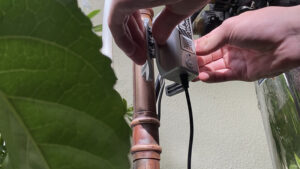
Bluebot’s patented clamp-on installation requires just 15 minutes without cutting pipes or modifying your existing plumbing, making adding smart monitoring to existing systems straightforward for any homeowner. The system learns your irrigation schedule and normal consumption patterns, sending instant smartphone alerts when usage deviates from baselines—catching leaks often within minutes of development rather than weeks later through rising water bills.
This proactive approach transforms irrigation management from reactive troubleshooting to preventive monitoring. Properties with smart water monitoring typically discover leaks 75% faster than properties relying on manual inspection and bill monitoring, allowing repairs before minor problems escalate into major water waste, landscape damage, or property deterioration from persistent moisture.

Conclusion
Locating sprinkler system leaks requires systematic inspection, patient observation, and often multiple detection methods before pinpointing exact failure locations. While DIY detection using visual inspection, pressure testing, and meter monitoring successfully identifies many leaks, the time-consuming nature of manual methods means problems often waste water for days or weeks before discovery—particularly for small underground leaks that produce few visible symptoms.
Smart water monitoring technology eliminates this delay by providing continuous surveillance that instantly detects abnormal irrigation flow the moment leaks develop. Whether adding monitoring to existing systems or planning irrigation for new construction, automated leak detection prevents the thousands of gallons wasted and hundreds of dollars spent on delayed leak discovery while protecting your landscape investment and property values.
Don’t wait for brown patches, soggy lawns, or shocking water bills to reveal sprinkler problems. Install Bluebot monitoring today and gain complete visibility into your irrigation system’s performance, catching leaks before they cost you thousands in wasted water and emergency repairs.