Sub-metering your water is easier than ever.
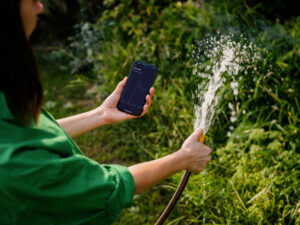
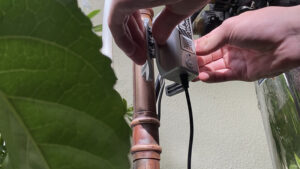
Simply clamp on any* water line and monitor multiple devices from the app.
Managing water consumption has never been more critical for property owners, landlords, and tenants. With rising water rates and increasing awareness of conservation efforts, installing water submeters is a game-changer for effective water management, precise billing, and promoting sustainable water conservation practices. It ensures fair billing, promotes accountability and reduces unnecessary water waste—all while empowering users with actionable insights.
At Bluebot, we specialize in delivering cutting-edge water submetering solutions designed to make water monitoring simple, effective, and affordable.
Need smart water submeters today? Click here.
What Is a Water Sub Meter?
A water submeter is installed between a property’s main water meter and individual units or areas. It accurately measures water usage for specific tenants, apartments, or building sections. This enables property managers and landlords to allocate water costs fairly while encouraging tenants to conserve water with a highly efficient submetering system.

Key Features of Water Sub Meters:
- Accurate Water Usage Measurement: Each tenant’s water consumption is individually tracked, ensuring precise billing.
- Encourages Conservation: Billing based on actual usage motivates tenants to minimize waste and optimize water use.
- Real-Time Monitoring: Modern systems, like Bluebot, allow users to track water consumption directly from their smartphones or tablets.
- Scalable Solution: Suitable for residential, commercial, and institutional properties of all sizes to help reduce utility costs.
Why Install Water Sub Meters?
1. Fair Billing
Traditional water billing methods often fail to account for actual tenant usage, leading to unfair and inaccurate charges. Property managers can ensure accurate tenant billing and fair water cost allocation with water submetering. This fosters accountability, eliminates billing disputes, and promotes a transparent approach to water usage. Water billing methods often split costs equally among tenants, regardless of individual usage. This approach can lead to disputes and a lack of accountability. Water submetering ensures tenants pay only for the water they use, such as sewer billing, fostering fairness and trust.
2. Increased Water Conservation
When tenants are directly responsible for their water bills, they become more mindful of their usage. Studies show that submetered properties often reduce water consumption by up to 15%.
3. Leak Detection and Prevention
Water leaks can be costly and wasteful. Smart water sub meters, like those offered by Bluebot, provide instant alerts for unusual water usage patterns, enabling property managers to address issues promptly.
4. Cost-Effective Installation
Bluebot’s innovative clamp-on design eliminates the need for invasive plumbing work, saving time and money. No water shutoffs or pipe modifications are required. Water submeter installation has never been easier than with Bluebot!
5. Compliance with Local Regulations
Many municipalities are encouraging or mandating the use of sub meters in multi-family and commercial properties. Installing sub meters helps you stay ahead of regulatory requirements and monitor all individual meters.

Benefits of Choosing Bluebot Water Submetering Solutions
Bluebot is revolutionizing the water sub metering industry with its smart technology and user-friendly design. Here’s why our products are the best choice for your property:
1. Non-Invasive Installation
Our patented clamp-on design is compatible with over 80 pipe types and sizes, including copper, PVC, and PEX. This non-invasive installation is a breeze, and no pipes need to be cut or water flow disrupted, ensuring a hassle-free experience for our customers.
The Bluebot app provides real-time water usage data accessible anytime and anywhere. You can achieve complete control and impeccable customer service by tracking multiple water lines across properties.
3. Advanced Leak Detection
Our intelligent sensors can detect even the smallest leaks, sending instant alerts to your device. This proactive approach prevents water damage and reduces waste.
4. Customizable Configurations
Every property is unique, and Bluebot’s system reflects that. Organize water lines by unit, track common areas separately, and share usage reports with tenants for complete transparency.
5. Significant Cost Savings
By identifying inefficiencies and leaks, many property managers report up to 30% water bill reductions within the first three months of using Bluebot.
Applications of Water Sub Meters
Water sub meters are versatile and beneficial for various property types and scenarios, offering a solution that can be tailored to your specific needs and circumstances.
- Multi-Family Residential Properties: Ensure equitable water billing for apartments, condominiums, and mobile home parks.
- Commercial Buildings: Monitor usage in office spaces, retail stores, and mixed-use developments.
- Institutional Facilities: Optimize water management in schools, hospitals, and community centers.
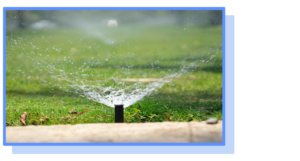
- Irrigation Systems: Track water consumption for landscaping and gardens to prevent overwatering.
Simple Steps to Install Bluebot
Installing a Bluebot water sub meter is easy and hassle-free:
- Order Your Bluebot Device Choose the Bluebot water meter that fits your needs and select a data plan starting at just $4.98 per month.
- Download the Bluebot app, which is available on Google Play and the Apple Store. Our app walks you through the installation process and provides ongoing insights into your water usage.
Install the Meter: Clamp the device onto your water line—no tools or plumbing experience required. Bluebot’s universal design ensures compatibility with most piping systems, making the installation process straightforward and stress-free.
The Future of Water Conservation Starts Here
Bluebot isn’t just about accurate billing; it’s about empowering property managers and tenants to control water usage. With real-time monitoring, instant leak alerts, and cost-effective installation, our water submeters deliver unmatched value and convenience.
Limited-Time Offer
Up to 25% off is available when you purchase four or more Bluebot water meters. There’s never been a better time to upgrade your water management system and start saving.
Contact Us Today
Ready to transform the way you manage water? Click here to learn more, place your order, or speak with a Bluebot representative. Let’s work together to conserve resources and cut costs for your property. Don’t miss out on this opportunity to revolutionize your water management system with Bluebot.
Larger pipe sizes available — Consult factory.