When protecting your home from water damage, the old saying “an ounce of prevention is worth a pound of cure” couldn’t be more accurate. While many homeowners balk at the cost of professional water leak detection services, understanding the proper cost-benefit analysis reveals why these services are worth every penny spent. The relief of knowing you have professional services to rely on in case of a water leak is invaluable.

Cost vs. Damage: The Benefits of Professional Water Leak Detection Services
Professional water leak detection typically costs between $200 and $400 for residential properties, depending on the size of your home and the methods used. Based on complexity and square footage, commercial properties may incur higher costs, ranging from $400 to $1,000 or more.
Several factors influence the final price:
- Property size and construction type
- Detection method (acoustic, thermal imaging, moisture meters)
- Accessibility of plumbing systems
- Geographic location and local service rates
However, these fees are minimal compared to the potential cost of water damage repairs. According to insurance industry data, the average water damage claim exceeds $10,000, with major incidents regularly surpassing $50,000 when structural repairs are needed.
Consider these typical water damage repair costs:
- Minor leak repair: $300-$1,000
- Drywall replacement: $1,000-$2,500
- Flooring replacement: $2,000-$7,000
- Structural repairs: $10,000-$30,000+
- Mold remediation: $2,000-$6,000
Beyond these direct costs lies a host of hidden expenses that can quickly multiply your financial burden:
- Increased insurance premiums (often 20-30% higher following a claim)
- Personal property replacement is not covered by insurance
- Temporary relocation expenses during repairs
- Loss of irreplaceable items with sentimental value
- Reduced property value due to a history of water damage
Professional leak detection specialists use advanced technologies that far surpass DIY methods. These include non-invasive leak detection tools such as acoustic sensors that can “hear” water movement behind walls, thermal imaging cameras that detect temperature anomalies associated with leaks, and moisture meters that precisely locate dampness in building materials. This level of precision and thoroughness provides homeowners with a peace of mind that is hard to achieve with DIY methods.
Timeline Comparison: Early Detection vs. Advanced Damage Scenarios
The timeline of leak detection and repair dramatically impacts total costs. Consider these two scenarios:
Scenario 1: Early Detection A homeowner notices a slight increase in their water bill and schedules professional leak detection. The service costs $300 and identifies a slow leak in a bathroom supply line. Repairs cost $200, and the issue is resolved within 48 hours with minimal disruption.
Scenario 2: Delayed Detection A homeowner ignores signs of a potential leak for months. When ceiling stains finally appear, significant damage has already occurred. Professional detection now costs $400, but repairs include:
- Plumbing repairs: $800
- Ceiling/wall replacement: $2,500
- Mold remediation: $3,000
- Flooring replacement: $4,000
Total cost: $10,700, plus weeks of disruption and potential health concerns from mold exposure.
The cost escalation timeline is rarely linear—it’s exponential. What begins as a $200 repair can quickly balloon into thousands if left unaddressed as water continues to damage structural elements and create ideal conditions for mold growth.
Water Bill Savings After Leak Detection and Repair
The financial benefits of professional leak detection extend beyond avoiding damage. Many homeowners are surprised by the water bill savings they experience after identifying and fixing previously unknown leaks. This newfound control over their water usage can be empowering.
Even small leaks can waste substantial amounts of water. For example:
- A dripping faucet (1 drip per second): 3,000 gallons per year
- Running toilet: 200 gallons per day (73,000 gallons per year)
- 1/8-inch pipe crack: 250 gallons per day (90,000 gallons per year)
Case studies consistently show significant reductions in water bills following professional leak detection and repair. One Bluebot customer documented a 30% reduction in their monthly water bill after addressing previously undetected leaks in their irrigation system—a savings of over $600 annually.
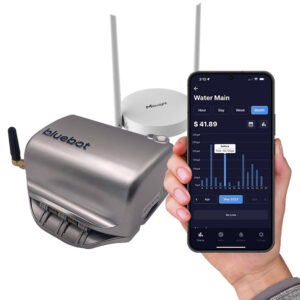
The environmental impact of leak detection and repair is equally significant. Water conservation through leak management contributes to broader sustainability efforts, particularly in drought-prone regions where every gallon saved matters. Innovative water monitoring systems can provide continuous water usage tracking, alerting homeowners to unusual patterns before significant damage occurs.

Insurance Implications of Proactive Leak Management
Insurance companies increasingly recognize the value of proactive leak detection and management. Many now offer discounts on premiums for homes equipped with leak detection systems or those that undergo regular professional inspections.
These discounts typically range from 3% to 15% of annual premiums, providing immediate financial returns on your investment in professional services. Additionally, homes with documented regular maintenance have fewer claim denials related to “neglect” or “failure to maintain” exclusions.
Conversely, homes with a history of water damage claims often face higher premiums or even difficulty obtaining coverage. Some insurance companies may exclude coverage for repeated problems or implement high deductibles for water damage claims.
DIY Leak Detection vs. Professional Services
Many homeowners attempt DIY leak detection methods before calling professionals. While basic techniques like meter checks have their place, they face significant limitations:
DIY Detection Limitations:
- Inability to pinpoint exact leak locations in concealed plumbing
- Difficulty detecting slow or intermittent leaks
- No access to specialized equipment like thermal cameras or acoustic sensors
- Risk of causing additional damage during investigation
- Lack of expertise in interpreting signs and symptoms correctly
Professional Detection Advantages:
- Precise leak location without unnecessary wall/floor demolition
- Comprehensive property assessment, often finding multiple issues
- Access to advanced non-invasive technologies
- Expertise in distinguishing between different types of water issues
- Documentation for insurance claims and repairs
- Warranties on detection accuracy
While a DIY check might tell you that you have a leak somewhere, professional services tell you exactly where the leak is located, minimizing repair costs and property disruption.
ROI Analysis: When Professional Services Pay for Themselves
The return on investment for professional leak detection services is often immediate when considering the comprehensive financial picture:
- Immediate repair cost savings: Precise leak location reduces exploratory demolition and repair scope.
- Water bill reduction: Fixing leaks promptly reduces ongoing utility costs.
- Prevention of secondary damage: Early detection prevents escalation to major repairs.
- Insurance benefits: Potential premium discounts and improved claim outcomes.
- Property value protection: Preventing water damage history that could impact resale value.
- Time and disruption savings: Faster resolution means less disruption to your home or business.
The warranty protection offered by reputable leak detection companies provides additional value. Most professional services guarantee their findings, often covering the cost of unnecessary repairs if their assessment proves incorrect. This assurance gives homeowners confidence in proceeding with recommended repairs.
For commercial properties, the ROI calculation is even more compelling, as business interruption costs from water damage can far exceed the direct repair expenses. Commercial water monitoring solutions can protect businesses from costly downtime.


Conclusion
The value proposition becomes clear when weighing the cost of professional water leak detection services against the potential expense of water damage repairs. These services represent a wise investment in your property’s long-term health and financial well-being.
The combination of immediate cost savings through precise leak location, ongoing utility bill reduction, insurance benefits, and prevention of catastrophic damage scenarios creates compelling economic incentives for professional detection. Factor in the peace of mind from knowing your property is protected, and the case for professional services becomes even stronger.
Professional detection offers a cost-effective path to resolution for homeowners concerned about potential leaks or unexplained increases in water bills. The question isn’t whether you can afford professional leak detection—it’s whether you can afford to go without it.
Take Action Today
Don’t wait until water damage has already occurred. Protect your property and your wallet with proactive water leak detection services. Bluebot’s innovative water monitoring solutions provide continuous protection against costly leaks while helping you conserve water and save money.
Schedule a Professional Leak Detection Service today and experience the peace of mind that comes with knowing your property is protected from the devastating effects of water damage.