Disclosure: Bluebot builds a smart water monitoring system, so we have a commercial interest in the prevention advice in the final section. The five qualifications themselves are drawn from federal, standards-body and state-regulator guidance, and they apply to all water leak detection companies, including those that compete with us.
Choosing a water leak detection company is a five-step vetting process: verify licensing and insurance, confirm genuine specialization, interrogate the detection technology, audit reputation, then compare written pricing against the guarantee. A water leak detection company is a contractor that locates concealed plumbing leaks without demolition. Professional leak detection is diagnostic work (acoustic, thermal and pressure-based equipment replaces exploratory cutting), and it is usually a separate engagement from the repair itself. This five-step evaluation takes about 45 minutes of phone calls and public license lookups.
Why This Decision Carries Weight
- Nearly 10,000 gallons a year. EPA WaterSense estimates the average household’s leaks waste close to 10,000 gallons a year. Nationwide, household leaks waste nearly 1 trillion gallons annually, and about 10% of homes lose 90 gallons a day or more.
- About 23% of all home insurance claims. Insurance Information Institute data puts water damage and freezing at roughly 23% of homeowners claims, with insurers paying an average of about $13,954 per claim.
- $150 to $600 for most visits. As of 2026, industry cost guides put a leak detection visit between $150 and $600, with common jobs landing around $175 to $350.
What to Gather Before You Call
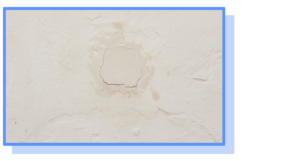
Have ready: the property address and approximate plumbing age, your last two water bills (a spike is evidence), photos of staining, damp or unexplained warm spots, your homeowners policy number, and your state licensing board’s lookup page. By the end of the selection process you should hold three documents from the company you hire: an independently verified license number, a current certificate of insurance, and an itemized written quote.
The Five Qualifications, Step by Step
Step 1: Verify licensing, insurance, and credentials
Qualifying a leak detection company starts here: confirm it holds an active state plumbing or contractor license and carries both general liability and workers’ compensation insurance before you discuss anything else.
The Federal Trade Commission advises homeowners to confirm a contractor’s license with state or county government rather than accepting a business card. It also notes that some states cap down payments, and recommends never paying in full up front. Most state licensing boards (Washington’s Department of Labor & Industries, for example) publish a free lookup that returns license status, bond and insurance in seconds.
Insurance is the half of this step people skip. General liability responds if a technician damages your property; workers’ compensation stops you being treated as the responsible employer if someone is injured on your job. A legitimate contractor can produce a certificate of insurance within a day. Requirements vary by jurisdiction (a license class that is mandatory in one state may not exist in the next), so verify locally instead of assuming a national rule.
Credentials go one level deeper. ASSE International, the ANSI-accredited plumbing standards body, certifies service plumbers: its Service Plumber credential requires documented field experience, a 40-hour course covering ASSE Standard 13010, and both a written and a closed-book practical exam. Certification is voluntary in most places, so a leak detection provider that funds it is signaling its priorities.


Step 2: Assess specialization and real leak-detection experience
A leak detection specialist differs from a general plumbing service in equipment budget and daily repetition, not in trade license.
General plumbers offer leak detection service as one line item among fifty. Companies specializing in leak detection buy acoustic and thermal equipment they use every day and keep technicians trained on it. That shows up as fewer exploratory holes in your wall, not as a different license class. Vetting a leak detection contractor means checking scope too: one fluent in slab leaks may be unremarkable on irrigation lines.
Ask four questions. How many years have you been in business? What share of your work is detection rather than repair? Have you worked on my property type: residential leak detection, commercial, or industrial? Can you describe a comparable job and how you solved it?
The 2024 edition of the IAPMO Uniform Plumbing Code (the model code behind many state and local plumbing rules) governs the repair, alteration and replacement of plumbing systems. That repair work is what typically triggers a permit and a licensed contractor. Leak location work and repair are frequently separate engagements, so confirm early which one you are buying.
Step 3: Interrogate the detection technology and method
A qualified provider should be able to name the equipment it will bring and explain why that method suits your leak.
Four technologies do most of the diagnostic leak detection work. Acoustic leak detection uses sensitive ground microphones to hear water escaping a pressurized pipe. A thermal imaging camera reveals the temperature differences escaping water creates behind tile or beneath a slab. Tracer gas detection pressurizes the line with an inert nitrogen-hydrogen mixture and follows the gas to the surface, marking the leak point to within inches. Moisture meters and video pipe inspection cameras confirm the finding and see inside the pipe.
Leak-detection practitioners report thermal imaging alone locating leaks with roughly 85% to 95% accuracy, rising above 99% when paired with acoustic equipment and moisture metering. Acoustic work typically narrows a leak to a 6 to 12-inch radius. Those are trade-reported figures, not controlled study results, so treat them as an argument for stacking methods, not a warranty.
No single instrument is reliable everywhere, which is why the behavior to watch for is a provider reaching for a saw before it reaches for a microphone. Ask what happens if the first method fails, and what the detection appointment includes.

Step 4: Audit reputation and verify customer feedback
Read across independent platforms for patterns rather than trusting the testimonials a company selected for its own website.
Check Google Business Profile, Yelp and the Better Business Bureau, and look for repetition across reviews: accuracy, punctuality, whether the final bill matched the quote, and whether the leak was resolved on the first visit. The BBB notes that authentic reviews carry concrete, service-specific detail, while fabricated ones lean on generic scene-setting.
Review manipulation is now a federal enforcement matter. The FTC’s Rule on Consumer Reviews and Testimonials bans fake reviews and undisclosed insider reviews. The Commission issued its first warning letters under the rule on 22 December 2025, and violations can carry civil penalties of up to $53,088 each. Ask the leak detection company for two references with similar leaks, and watch how it answers negative reviews: that response is more informative than the star rating.

Step 5: Compare written pricing and service guarantees
Insist on an itemized written quote and a guarantee that states plainly what happens if the leak is never found.
A written quote should break out the inspection fee, any specialized equipment charge, labor and estimated duration, plausible extras, and whether repair is included or billed separately. For context, 2026 cost guides put video pipe inspection at roughly $250 to $1,000, and awkward slab or in-wall leaks can push a job past $1,000. A quote far below the local range usually signals older equipment or a less experienced technician, and the highest bid is not automatically the best either, so let value drive your hiring decision.
Then read the guarantee. The strongest ones commit to locating the source, name a warranty period on any repair performed, include a free follow-up visit if the problem returns, and refund the fee if the leak cannot be located. Get it all in writing, with the exclusions. Some leak detection firms also offer ongoing monitoring plans that watch for the next leak instead of waiting for it.


Red Flags That Should End the Conversation
Hiring a leak detection specialist should stop the moment any of these appear:
- No license number, or a number that does not resolve on your state board’s lookup.
- Reluctance or delay in producing a certificate of insurance.
- A verbal-only estimate, or pressure to pay in full before work begins (contrary to FTC guidance).
- Cutting or demolition proposed before any non-invasive leak detection has been attempted.
- Reviews that are uniformly five-star, clustered by date, and generic in wording.
After the Leak Is Found: Preventing the Next One
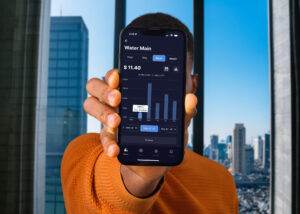
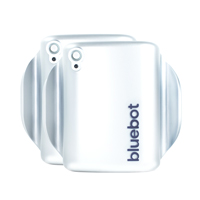
Locating a hidden leak solves today’s problem; it does not stop the next one. If you have already seen high water bills with no visible leak, unexplained damp, or running water when every fixture is off, the underlying pattern is worth monitoring. A smart water monitoring system watches whole-home flow continuously and alerts you to abnormal use before the damage is done. That is the category Bluebot’s water leak detector and the wider Bluebot water monitoring system sit in, and, as disclosed above, it is what we build.
Ready to Address Your Water Leak Concerns?
Contact a professional water leak detection company today to protect your property from water damage. Those interested in preventative measures should explore Bluebot’s water monitoring solutions for ongoing protection and peace of mind. For questions about monitoring hardware, call 1-888-258-4119.
Frequently Asked Questions
Do I need a licensed plumber for leak detection, or only for the repair?
In most jurisdictions the repair is the licensed work, not the diagnosis. The 2024 IAPMO Uniform Plumbing Code, which underpins many state and local codes, governs the repair, alteration and replacement of plumbing systems, and that is what typically triggers a permit and a licensed contractor. Requirements vary by state, so confirm your local rule with your licensing board before booking.
How much should professional leak detection cost in 2026?
As of 2026, industry cost guides put most residential visits between $150 and $600, with common jobs landing around $175 to $350. Video pipe inspection runs roughly $250 to $1,000, and awkward slab or in-wall leaks can push a job past $1,000. Treat those as ranges rather than quotes, and get your own figure in writing.
Why do quotes for the same leak vary so much between companies?
Three things drive the spread: method, difficulty and local labor rates. Industry cost guides report regional labor adding roughly $125 to $400 per hour, and a tracer gas survey or video pipe inspection costs more than a straightforward acoustic sweep. A quote far below the local range usually signals older equipment or a less experienced technician rather than a bargain.
How long does a leak detection appointment usually take?
Leak detection practitioners report that combining acoustic and thermal methods often brings most residential jobs in under an hour, though slab, irrigation and multi-story leaks take longer. Budget roughly 45 minutes of your own time for the vetting calls beforehand. Ask for an estimated duration in writing, because labor time is normally a separate line item on the final bill.
How can I tell whether a company’s online reviews are genuine?
Look for concrete, service-specific detail. The Better Business Bureau notes that authentic reviews describe the actual job while fabricated ones lean on generic scene-setting, and a cluster of uniformly five-star reviews posted in a short window is a warning sign. The FTC’s Rule on Consumer Reviews and Testimonials bans fake and undisclosed insider reviews, and suspected ones can be reported at ReportFraud.ftc.gov.
What happens if the company cannot find the leak?
That depends entirely on the guarantee you agreed in writing. The strongest guarantees commit to locating the source, include a free follow-up visit if the problem returns, and refund the inspection fee if the leak cannot be located. Ask for those terms and their exclusions before work starts, because a verbal assurance is worth little once the invoice arrives.