


The average American household spends more than $1,000 per year on water and sewer charges, and that figure has been steadily rising as municipal rates nationwide have increased. For most homeowners, the frustrating part is not the cost itself but the lack of visibility into where all that water actually goes. You receive a monthly bill, but it tells you almost nothing about which habits, fixtures, or hidden problems are driving the total. The good news: meaningful savings are within reach once you know where to focus. This guide covers the changes that deliver the biggest return, organized from the simplest behavioral shifts to longer-term investments that pay for themselves quickly.
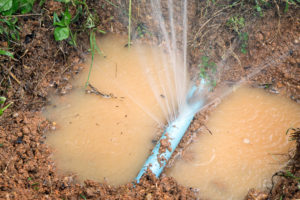
Leaks are the single fastest way to waste water and inflate your bill without any benefit to you. The EPA estimates that the average household loses roughly 10,000 gallons per year through leaks alone. A running toilet, which often produces no visible or audible signs, can waste 200 gallons per day.
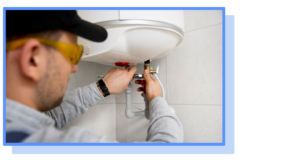
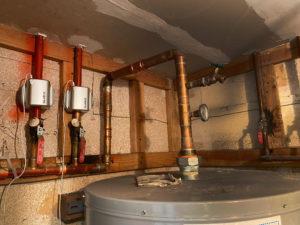
Start with toilets. Remove the tank lid and drop a few drops of food coloring into the tank water. Wait 15 to 20 minutes without flushing. If the color appears in the bowl, the flapper valve is leaking. Replacement flappers cost a few dollars at any hardware store and take about five minutes to swap. Check under every sink, around the water heater, behind the washing machine, and at outdoor hose bibs. Look for pooling water, corrosion on fittings, water stains on cabinetry, and warped flooring. Even small drips from a leaky faucet add up. A faucet dripping once per second wastes more than 3,000 gallons per year.
To confirm whether you have a hidden leak, try a water meter test: turn off all water-using fixtures and appliances in the house, note your meter reading, and check again after two hours. If the reading has changed, water is flowing somewhere it shouldn’t. For ongoing protection, smart water meters like Bluebot automate this process entirely, capturing 43,200 data points per day and sending alerts the moment continuous flow suggests a problem. This catches leaks within hours rather than weeks, often before any visible damage appears. If you are already dealing with an unexpectedly high bill, this step-by-step guide to diagnosing the cause can help you narrow it down.
Bathrooms account for more than 60% of indoor water consumption in most homes. Toilets, showers, and faucets are the primary drivers, and older fixtures use significantly more water than current models.
Replacing a pre-1994 toilet with a WaterSense-certified model reduces per-flush water use from 3.5 to 6 gallons down to 1.28 gallons or less. For a family of four, that single upgrade can save more than 16,000 gallons annually. If full replacement is not in the budget, placing a sealed water bottle filled with sand or pebbles inside the toilet tank displaces water and reduces the volume per flush at no cost.
Showers are the second-largest indoor water draw. Swapping a standard 2.5-gallon-per-minute showerhead for a WaterSense-rated 2.0 GPM model saves a family of four roughly 2,900 gallons per year. Shortening showers by even two minutes saves an additional 5 gallons per shower at standard flow rates. Turning the water off while lathering and turning it back on to rinse is another simple habit that reduces per-shower usage by 30% or more.
Faucet aerators are one of the cheapest upgrades available. A $3 to $8 aerator screws onto the end of any standard faucet and reduces flow from 2.2 GPM to 1.0 or 1.5 GPM without any noticeable pressure difference. Turning off the tap while brushing teeth saves roughly 3,000 gallons per year per person.
If you want visibility into how much water each bathroom routine actually uses, Bluebot’s real-time monitoring shows consumption. It translates gallons into dollars with the Dollarize® feature, making it easy to identify which habits have the biggest financial impact.
Small changes in the kitchen and laundry room add up to meaningful savings over the course of a year.
Run the dishwasher only when it is full. Modern ENERGY STAR dishwashers use as little as 3 gallons per cycle. By comparison, hand washing the same load under a running faucet typically uses 20 gallons or more. Skipping pre-rinsing saves an additional 6,000 gallons per year for the average household. Most modern dishwashers have sensors that adjust cycle intensity to the soil level, making pre-rinsing unnecessary.
For hand washing when a dishwasher is not available, fill the basin rather than running the tap continuously. The difference is substantial: filling a sink uses 3 to 5 gallons, while leaving the faucet running uses 2 gallons per minute.
Washing machines are among the highest-volume water users in the home. Older top-loading models can consume 40 or more gallons per load. ENERGY STAR front-loading machines use 12 to 15 gallons per load, a reduction of 50 to 65% compared to standard top-loading machines. Running only full loads regardless of machine type maximizes water efficiency per garment washed.
When it is time to replace a major appliance, prioritizing water efficiency pays dividends on every bill.
ENERGY STAR-certified washing machines use roughly 33% less water and 25% less energy than standard models. Over the machine’s lifetime, that adds up to approximately 27,000 gallons in savings compared to a conventional top-loader. Modern dishwashers with the ENERGY STAR label use 3.5 gallons per cycle or less, compared to 6 or more gallons for models manufactured before 2013. Check with your local water utility before purchasing. Many providers offer rebates on water-efficient appliances, and the savings on water, sewer, and energy bills often offset the price difference within the first year or two.
Outdoor water use accounts for 30% or more of total household consumption in many regions, and irrigation is often the largest source of household water waste that homeowners overlook.
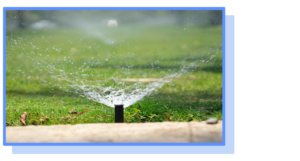
Water your lawn and garden before sunrise or after sunset when evaporation rates are lowest. Midday watering can lose 20 to 25% of water to evaporation before it reaches the root systems. Check sprinkler alignment regularly. Sprinkler heads that spray onto driveways, sidewalks, or building facades waste water and money on surfaces that gain no benefit.
Switching from traditional spray sprinklers to drip irrigation reduces water use by 30-50% for garden beds and plantings. Smart irrigation controllers that adjust watering schedules based on weather forecasts and soil moisture sensors can reduce outdoor water use by an additional 20% or more compared to fixed timers.
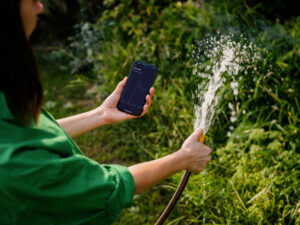
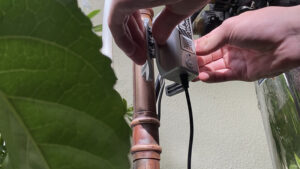
For homeowners who suspect outdoor use is driving high bills but are unsure, monitoring irrigation separately provides clarity. The Bluebot Mini installs directly onto an irrigation supply line to track outdoor consumption independently of indoor use, making it easy to see exactly how much water your landscape demands.
The most effective long-term strategy for reducing outdoor water costs is designing a landscape that requires less water in the first place.
Xeriscaping and drought-tolerant landscaping replace water-hungry turf grass with native plants, ground covers, and ornamental grasses adapted to your local climate. In arid and semi-arid regions, xeriscaped yards can reduce outdoor water use by 50-75% compared to traditional lawns. Native plants typically require no supplemental irrigation once established, eliminating the ongoing watering costs.
Applying 2 to 4 inches of mulch around plantings retains soil moisture, reduces evaporation, and suppresses weeds that compete for water. Adjusting your mower height to the taller end of the recommended range for your grass type encourages deeper root growth and improves drought resilience.
Many municipalities offer rebates for turf removal and water-efficient landscaping. Check with your local water utility or visit your city’s water conservation page to see what programs are available in your area.
Rain barrel systems collect roof runoff for later use on gardens, lawns, and potted plants. A single rain barrel captures 50 to 80 gallons from a moderate rainstorm, reducing both your water bill and the stormwater runoff that contributes to local flooding and erosion. Check local regulations before installing a rain barrel, as some jurisdictions have specific requirements or restrictions on rainwater harvesting.
Inside the house, small reuse habits add up. Collecting the cold water that runs while waiting for the shower to warm (typically 1 to 3 gallons) in a bucket for watering houseplants costs nothing and prevents daily waste. Leftover drinking water, vegetable rinse water, and melted ice can all be used for indoor or outdoor plants. Avoid reusing water that contains soaps, detergents, or cleaning chemicals on edible plants unless the products are specifically labeled as greywater-safe.
All of the tips above work, but they share a common limitation: without visibility into your actual water consumption, you are working from guesswork. You will not know whether shorter showers are actually moving the needle, or whether a hidden leak is canceling out every other effort.
Real-time water monitoring changes this equation entirely. Bluebot smart water meters clamp onto your existing pipe in about 15 minutes with no pipe cutting, no plumber, and no interruption to your water service. Once installed, the system tracks every gallon flowing through your home, 24 hours a day. The Dollarize® feature translates water flow into actual dollar costs, so you can see the financial impact of every shower, load of laundry, or irrigation cycle in real time rather than waiting for a monthly bill.
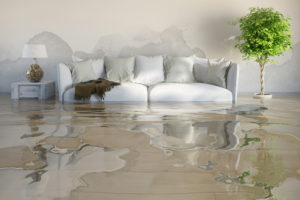
When the system detects continuous flow during periods that should show zero usage, it sends an immediate alert to your phone. This leak detection capability catches problems within hours, not weeks, and prevents the kind of slow, hidden damage that homeowners’ insurance often excludes.
Beyond leak detection, many insurance providers offer premium discounts of 5 to 10% for homes equipped with continuous water monitoring systems. Water utility rebates of up to $200 are also available in many markets, offsetting a significant portion of the upfront cost. Bluebot offers a free Starter Plan with no mandatory monthly fees, with Premium plans available for homeowners who want extended data history, advanced analytics, and detailed reporting.
For landlords and property managers responsible for water costs across multiple units or properties, water-saving technology that provides remote visibility into consumption and leak detection without on-site visits is particularly valuable. Monitoring each property individually helps identify which units or locations are driving costs and catch problems before they become expensive.
Saving on your water bill comes down to three things: fixing the problems that silently waste water, upgrading the fixtures and habits that use more than necessary, and gaining visibility into where your water actually goes each day. Behavioral changes and fixture upgrades provide a strong starting point. Still, sustained savings require the ability to monitor consumption and catch issues early, before they erase the progress you have made.
Bluebot smart water meters install in minutes, track your water around the clock, and alert you the moment something looks wrong. Whether you are focused on lowering your monthly bill, protecting your home from leak damage, or simply understanding what “normal” water use looks like for your household, real-time data turns guesswork into informed decisions. Learn how real-time water data helps homeowners reduce monthly bills.