Car wash technology is the mix of equipment, software and measurement tools that cleans vehicles while holding down water, energy and labor cost. The eight advances below are where operator budgets are going now: smart water metering, water recycling systems, in-bay automatic LED lighting, mobile apps, UV-C sterilization, self-service kiosks, RFID tags and automated drying. Each one targets a different line on the P&L.
Two pressures drive all eight. Owners want thinner utility bills. They also must stay inside local water-use ordinances, water restrictions and discharge permit limits, and those rules vary by city and state: verify what applies to your site.
What Is Car Wash Technology, and What Does It Actually Do?
Modern car wash equipment does four jobs. It cleans the vehicle. It moves customers through the site. It controls utility spend. And it proves compliance. A tunnel or in-bay automatic handles the cleaning. Apps and kiosks handle throughput. Reclaim systems and LED lighting handle utility spend. A smart water meter handles the proof, and that last job is the one most sites still skip.
It helps to split the term. Car washing technology, narrowly, is the wash package itself. Vehicle wash technology, broadly, adds the payment, membership and monitoring layers around it. Buyers who evaluate whole car wash systems rather than single machines get a better result, because savings in one component are only visible through another.
Key facts
- Scale. The U.S. Census Bureau (2026) estimates that nearly 17,000 car washes with paid employees operate in the United States.
- Water. The U.S. Environmental Protection Agency’s WaterSense program (2026) reports that a vehicle wash facility can cut freshwater use by roughly 50% with a water reclamation system.
- Bills. Professional Carwashing & Detailing (2019) puts the bill impact at 35% or more off water and sewer costs.
- Lighting. The U.S. Department of Energy (2026) rates LEDs at 75% or more below incandescent energy use, with a 25,000-to-50,000-hour service life against roughly 1,000 hours.
- Proof. None of those savings are bankable until you meter the line.
1. Bluebot Smart Water Monitor
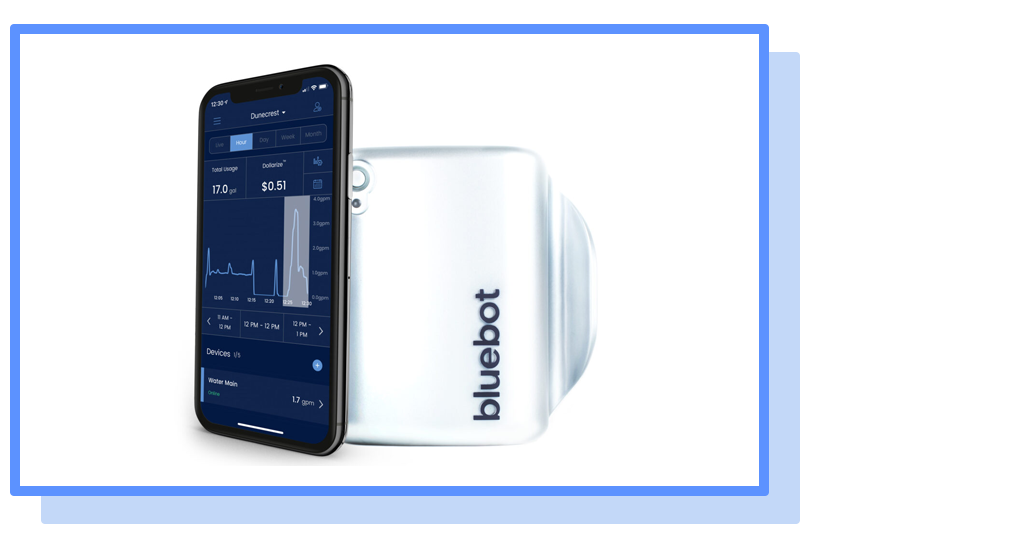
A smart water meter is a sensor that reports water flow rate and total volume in near real time. Sites often must hold flow volume inside a municipal water ordinance, and that was hard to verify without cutting the pipe.
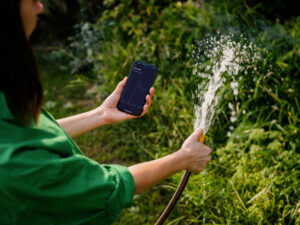
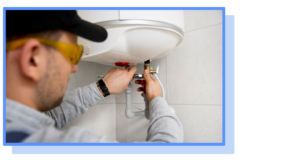
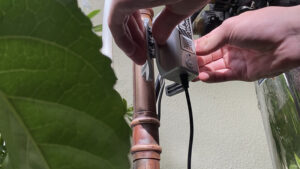
The Bluebot smart water meter is a clamp-on water flow meter that reads the line with ultrasound. Because it is a non-invasive water meter, it clamps onto the pipe and Bluebot’s patented robotic servo technology, its Adaptive Angle Technology (AAT), configures the sensor angle automatically, so the Bluebot Hero and Bluebot ProLink self-adjust to more than 80 pipe size and material combinations. No cutting. No shutdown. No plumber. Readings stream to FloDash(TM), the Bluebot web dashboard, and to the bluebot Water mobile app, where you set smart alerts, review usage history and cap a budget.
The 2026 Bluebot meter line runs from the 50-W (Bluebot Mini) (3/4″ to 1″ pipe) through the 100-W (Bluebot Hero) and 100-WAN (Bluebot ProLink) (3/4″ to 2″) up to the Bluebot ProLink Prime (2.5″ to 4″). Every meter ships with a one-year premium data streaming plan. Bluebot ProLink models use LoRaWAN, a low-power wide-area network built for long-range wireless links: see LoRa vs LoRaWAN for how it works. The ProLink connects through a Bluebot Gateway, a required separate purchase that reaches your network over Ethernet, Wi-Fi, or an optional 4G LTE upgrade, so a bay with weak Wi-Fi still reports. For enterprise sites, an open API and MQTT push the same water usage data into an existing control system.
Metering catches billing errors, too. One Bluebot clamp-on water meter deployment surfaced a $13,000 billing error the site had been paying without knowing it.
2. Water Recycling Systems
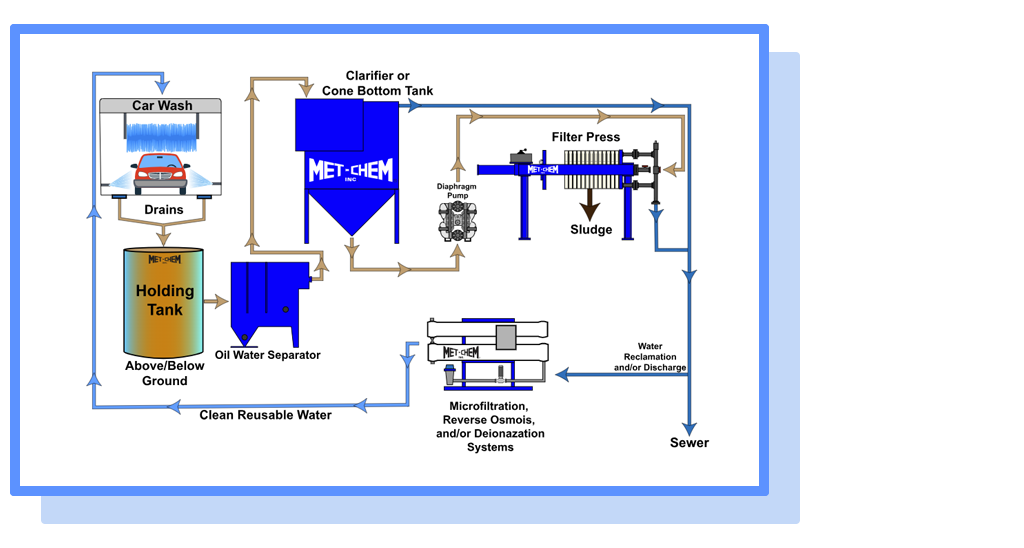
A car wash water recycling system captures spent wash water, filters it, and returns it to the wash. It is the single largest water lever on most sites.
Advances in carwash technology track advances in water-saving technology closely, and a water reclaim system is now near-standard on new builds for two reasons:
- Cost. Water recycling can save 35% or more on water and sewer bills, according to Professional Carwashing & Detailing (2019).
- Sustainability. Less freshwater in and less wastewater out eases the load on the municipal system. EPA WaterSense (2026) puts the freshwater reduction at roughly 50% for facilities that reclaim.
Water recycling technology has also moved down-market. A car wash reclaim package that once suited only high-volume tunnels is now specified on in-bay sites, and a reclaimed water system can be phased in.
Trade research supports the case. The International Carwash Association‘s Car Wash Water Use Study (2018) measured water use, evaporation and carryout per vehicle across professional sites. It is the baseline any reclaim claim should be checked against, and why a reclaim project without a meter on the fresh-water line is only half a project.
3. In-bay Automatic LED Lighting
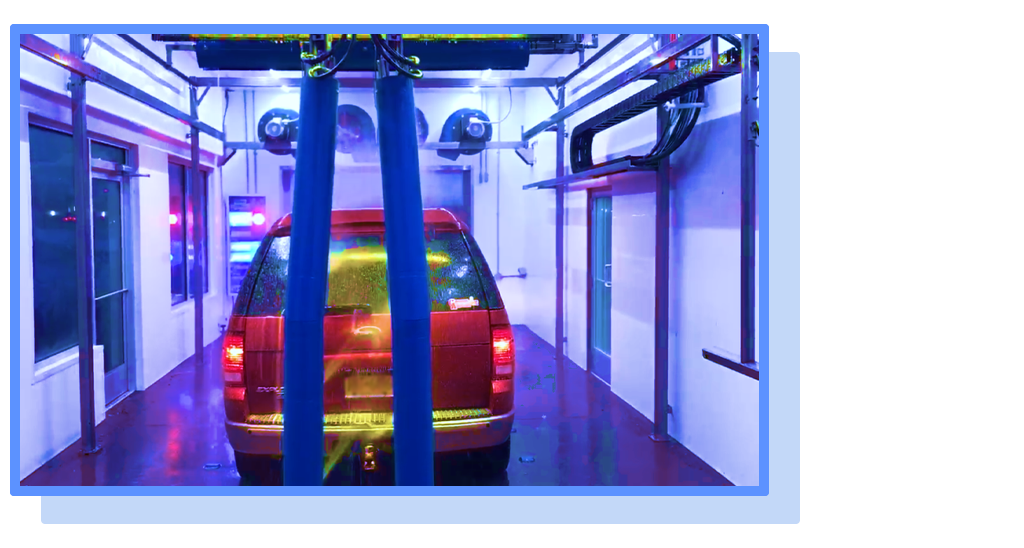
In-bay automatic LED lighting is the fixture package inside the wash bay. It is the least expensive upgrade on this list and one of the fastest to pay back.
The U.S. Department of Energy (2026) rates LED lamps at at least 75% less energy than incandescent lighting, with a rated life of 25,000 to 50,000 hours against roughly 1,000 hours for incandescent. Together, the energy cut and the lamp life make wash bay lighting a straightforward swap.
A reliable in-bay LED lighting system does two more things:
- Safety. Brighter, more even light lets drivers see clearly in the bay, which lowers the risk of contact and scrapes.
- Experience. Some in-bay packages ship with both bright white and programmable multicolor LED lights for a light show through the wash cycle.
4. Mobile Apps
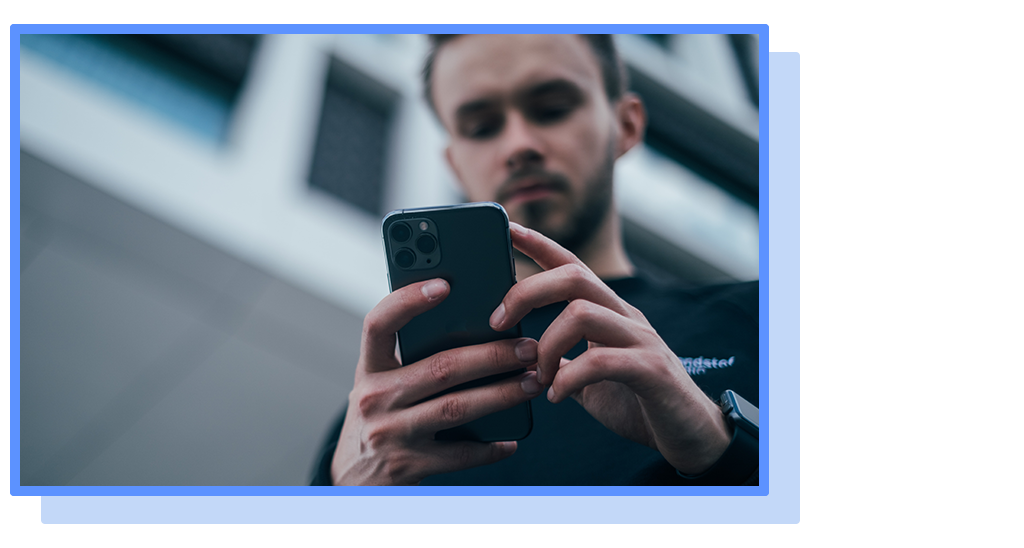
A car wash mobile app moves the transaction off the lot and onto the phone. Long queues at the entrance are now solvable rather than a fact of the business.
Through a wash app, customers can schedule an appointment, join a waiting list from home, choose a package before they arrive, and pay in one tap. Most apps also carry the unlimited wash club: the membership program that turns a one-off customer into recurring revenue. A subscription wash plan billed in the customer app is far stickier than a punch card, and the loyalty plan data tells you which package to promote.
Owners like a car wash app for a different reason: a customer who selects and pays before arrival takes less staff time at the entrance, trimming labor hours per vehicle. A wash membership is also the cleanest predictor of visit frequency you can collect.
5. UV-C Sterilization
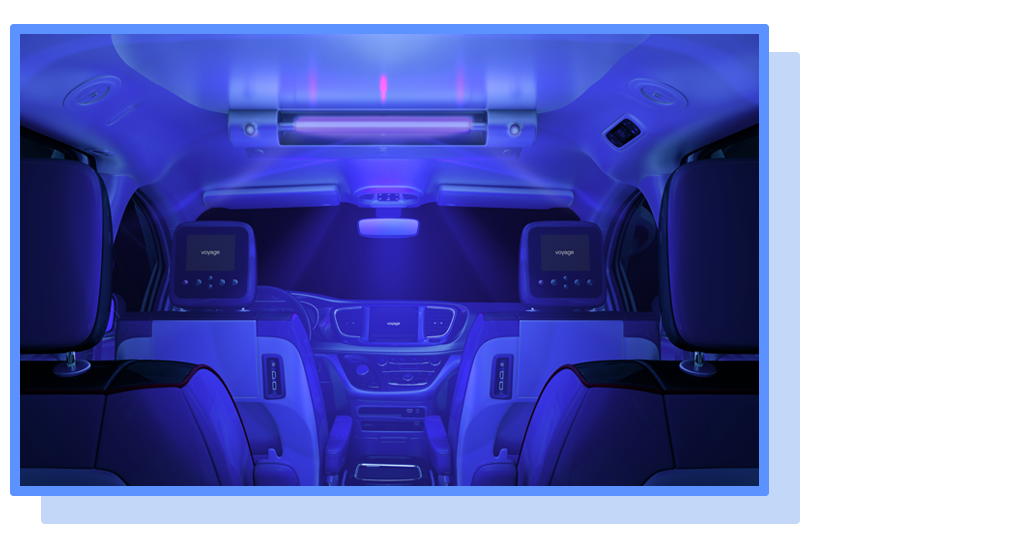
UV-C sterilization uses short-wavelength ultraviolet light, near 254 nanometers, to damage the genetic material of microorganisms. Engineers call the same approach germicidal ultraviolet. Scientists have long used UV light to kill bacteria and viruses; low-output UV-C devices small enough for a vehicle cabin are the recent part.
Interest surged after the COVID-19 pandemic, and UV-C sanitation lights are now sold as an add-on at a growing number of sites, aimed at interiors and high-touch surfaces. Effective UV light disinfection depends on lamp output, distance, exposure time and shading.
Two cautions belong on any UV-C decision. The U.S. Food and Drug Administration (2026) warns that direct UV-C exposure can injure eyes and skin, so these systems need interlocks and trained handling. The FDA also notes there is no recognized standard of conformance for UV disinfection performance, which means no operator should advertise a kill rate or a health outcome. Describe the service as a sanitation step, not a medical claim.
6. Self-Service Kiosks
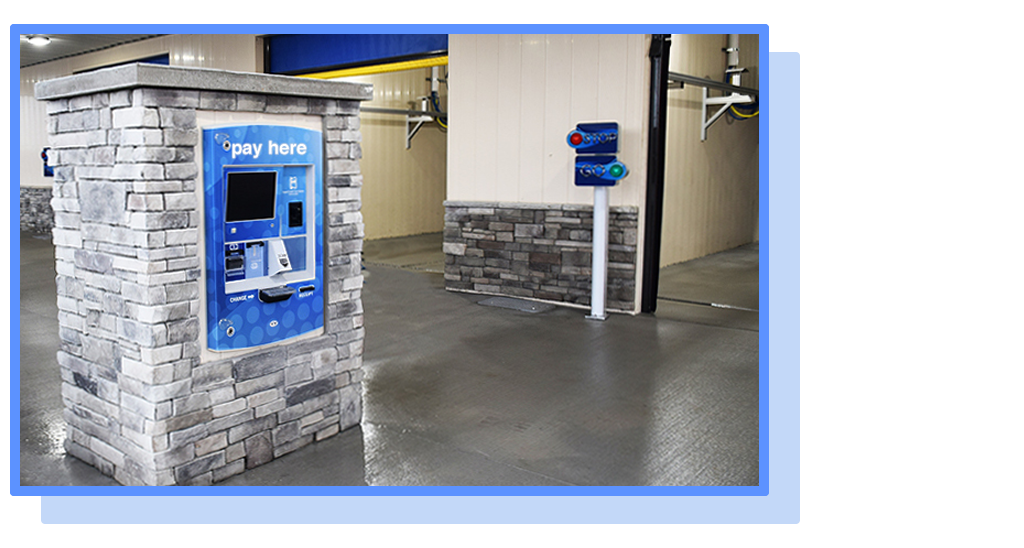
A self-service car wash kiosk is the payment and control terminal in a self-serve bay. For drivers who prefer the hands-on method, the kiosk is the whole interface.
A payment kiosk pairs a touchscreen with multiple payment options, so customers pick settings and pay without staff involvement. That keeps a self-serve bay open without keeping a person in it, and a modern self-serve bay kiosk can upsell a package on its own.
Remote monitoring is what makes an unstaffed bay manageable. With the Bluebot device on the supply line, a self-service kiosk owner can watch flow volume from offsite and get an alert the moment a wand is left running or a line starts weeping.
7. RFID Tags for Personalized Services
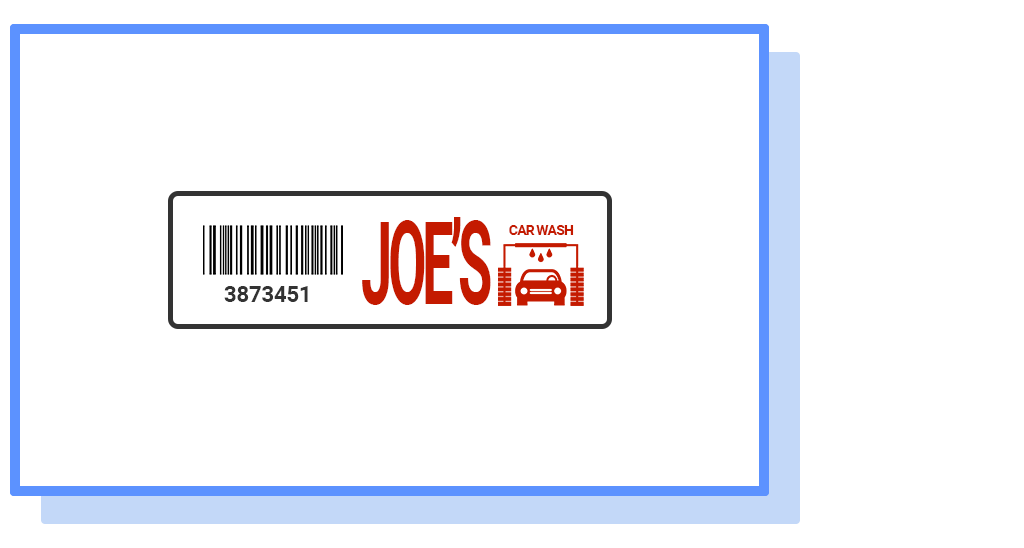
An RFID tag is a small radio-frequency identification tag on the windshield that identifies the vehicle automatically. Paired with a membership program, it turns arrival into a hands-free transaction.
RFID readers do two useful things:
- Save the customer time. The vehicle identification tag is read as the car enters the bay, pulling up the vehicle record and the member’s chosen package before the driver reaches the gate.
- Save the operator labor. Automated readers handle membership validation, loyalty points and payment capture instead of staff.
Vehicle identification moved from novelty to expected equipment on 2026 tunnel builds, and several vendors now pair RFID tags with license-plate recognition so a member is recognized either way. The net effect: less friction at the entrance, more visits per member.
8. Automated Drying Systems
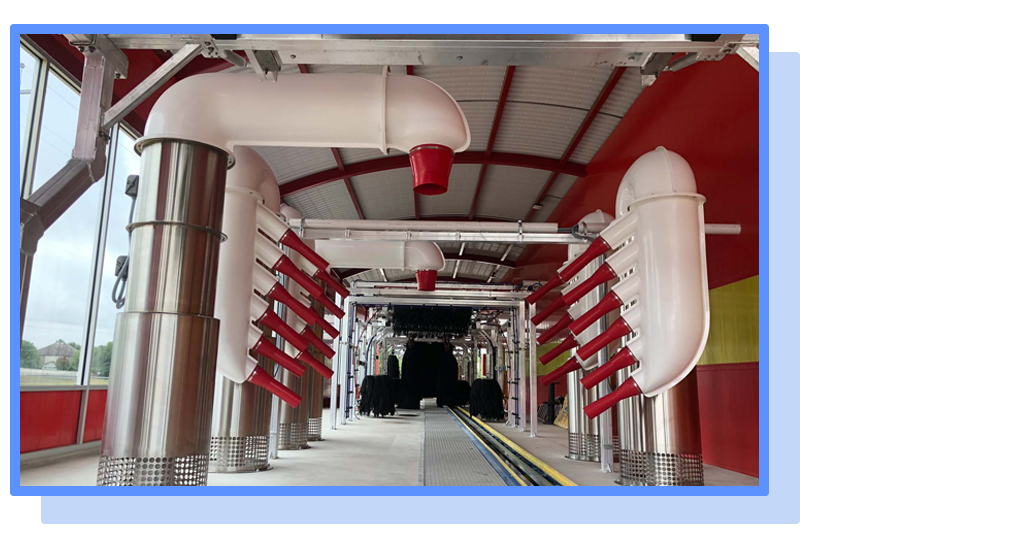
An automated drying system is the powered blower system at the exit that removes water without touching the paint. It replaced the crew of workers who once ran out with handheld chamois.
High-powered, touch-free dryers finish vehicles quickly and consistently. That matters twice: an automated dryer cuts daily labor cost, and a consistent finish is the last thing the customer sees, so it drives repeat visits.
Drying also connects back to water. The International Carwash Association‘s water use study (2018) measures carryout, the water that leaves on the vehicle rather than down the drain. A dryer that strips more water before the exit returns more to the reclaim loop.
How Do You Prove a Water Upgrade Actually Worked?
This is where most projects fall down. A reclaim system, a nozzle change and a new dryer all claim savings, but the utility bill arrives monthly and lumps every line together. Without a meter on the fresh-water supply, an operator is estimating.
A smart water monitor closes that gap. Baseline the site for a few weeks before the work, keep metering after, and the difference in gallons per vehicle is the actual result. The same data stream answers the regulator: if a city imposes a water restriction or a discharge permit condition, flow measurement is the evidence. Requirements differ by jurisdiction, so confirm the reporting format your municipality accepts before you rely on it.
Metering also catches the failures nobody budgets for: a stuck valve overnight, a cracked underground line, a bay left running after close.
Which Advance Should You Adopt First?
Sequence beats enthusiasm. Measurement first, because a meter costs the least and tells you which of the other seven is worth funding at your site. Water recycling second, because it moves the largest utility line. LED lighting third, because the payback math is settled. Apps, kiosks, RFID tags and drying systems follow, ordered by whichever bottleneck is costing you the most throughput.
Adopting modern car wash equipment takes capital up front. Over a normal replacement cycle it returns through lower utility spend, fewer labor hours per vehicle and better retention, provided you can show which change produced which result.
The Bluebot smart water meter is:
- Compatible with 80+ pipe size and material combinations on the Bluebot Hero and Bluebot ProLink, from 3/4″ up to 4″ across their Standard and Prime models.
- Installable without a plumber, a pipe cut or a shutdown.
- Connected by Wi-Fi on the Mini and Hero, direct to the Bluebot Cloud, or by LoRaWAN on the ProLink through a required Bluebot Gateway.
- Available to test risk-free.
If you want an independent, verifiable source of water data, start by measuring. Bluebot runs a risk-free demo program that puts meters on your own lines before you commit, with training included. Contact us for the current program terms and to size a deployment for your site.
Frequently Asked Questions
How much water does a car wash use per vehicle?
A professional car wash uses far less fresh water per vehicle than a driveway wash, though the exact figure depends on the equipment. The International Carwash Association has measured water use, evaporation and carryout per vehicle across professional sites. The U.S. Environmental Protection Agency (2026) reports that adding a water reclamation system cuts a facility’s freshwater draw by roughly 50%. Metering the supply line is the only way to know your own number.
What is a car wash water recycling system and how does it work?
A car wash water recycling system captures spent wash water, filters it, and returns it to the wash instead of sending it to the sewer. Reclaim is now near-standard on new builds. According to EPA WaterSense (2026), a facility that reclaims cuts freshwater use by about 50%, and Professional Carwashing and Detailing (2019) reports savings of 35% or more on water and sewer bills.
Are professional car washes better for the environment than washing a car at home?
On fresh-water use per vehicle specifically, research from the Western Carwash Association indicates that a professional wash draws considerably less than a driveway wash, where an open hose runs continuously. Professional sites also route wash water to treatment rather than the storm drain. A site running a water reclaim system reduces its freshwater draw further, by roughly 50% according to EPA WaterSense (2026).
How is a smart water meter installed at a car wash?
The Bluebot smart water meter clamps onto the outside of the pipe, so installation needs no cutting, no shutdown and no plumber. The Hero and ProLink self-adjust to more than 80 pipe size and type combinations, covering lines from 3/4″ up to 4″ across their Standard and Prime models. Readings then stream to FloDash, the Bluebot web dashboard, where an operator sets alerts, reviews usage history and caps a budget.
Do you need Wi-Fi to monitor water use in a wash bay?
Not for the ProLink itself. Bluebot ProLink models use LoRaWAN, a low-power wide-area network built for long-range wireless links, and connect through a Bluebot Gateway, which is a required separate purchase and reaches your network over Ethernet, Wi-Fi, or an optional 4G LTE upgrade. That matters because equipment rooms and wash bays often sit outside reliable Wi-Fi coverage: the meters can sit anywhere on the site and report back to one gateway. Wi-Fi models connect directly to the Bluebot Cloud with no gateway at all.
Who should consider UV-C sterilization at a car wash?
UV-C sterilization suits operators adding an interior sanitation service, not those seeking a health claim. Effectiveness depends on lamp output, distance, exposure time and whether a surface sits in shadow. The U.S. Food and Drug Administration (2026) warns that direct UV-C exposure can injure eyes and skin, and notes there is no recognized standard of conformance for UV disinfection performance, so no kill rate should be advertised.